After regularly reading articles on CEE Legal Matters, one thing is clear: this platform is full of deep legal expertise.
 CEE Legal Matters
In-depth coverage of the news and newsmakers that shape Europe's emerging markets
CEE Legal Matters
In-depth coverage of the news and newsmakers that shape Europe's emerging markets
After regularly reading articles on CEE Legal Matters, one thing is clear: this platform is full of deep legal expertise.

After years in private practice, including as Head of Corporate/M&A at Clifford Chance Ukraine and later as Founder of Redcliffe Partners, Dmytro Fedoruk became all too familiar with one of the profession’s most dreaded tasks: legal directory submissions. His platform, Ranking Copilot, is now helping firms worldwide streamline the process.
In The Debrief, our Practice Leaders across CEE share updates on recent and upcoming legislation, consider the impact of recent court decisions, showcase landmark projects, and keep our readers apprised of the latest developments impacting their respective practice areas.
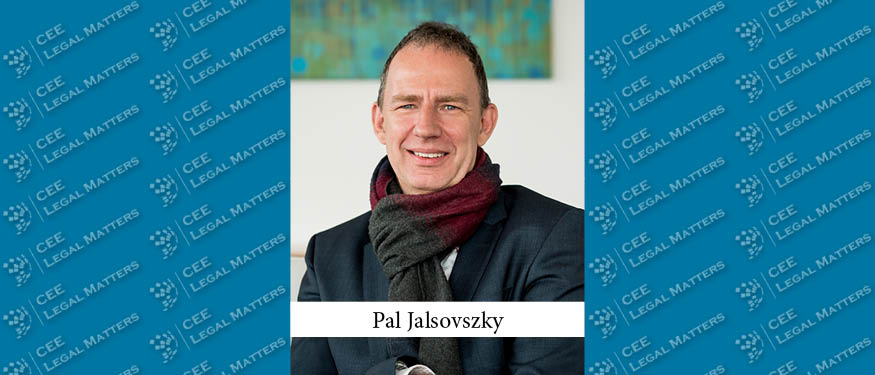
This is not the sentence commonly heard in law firms across the region at the moment. But that might not be the case for much longer.

In The Corner Office, we ask Managing Partners at law firms across Central and Eastern Europe about their backgrounds, strategies, and responsibilities. This time around, we dug deeper into a discussion point that came up during our last event: During our annual General Counsel Summit held in Prague recently, we’ve learned that even with the inflation in CEE having hovered around 14-20% in recent years, legal fees have remained static or have even decreased in some jurisdictions. Given that, how has your firm managed to consistently deliver high-quality service under these constraints?
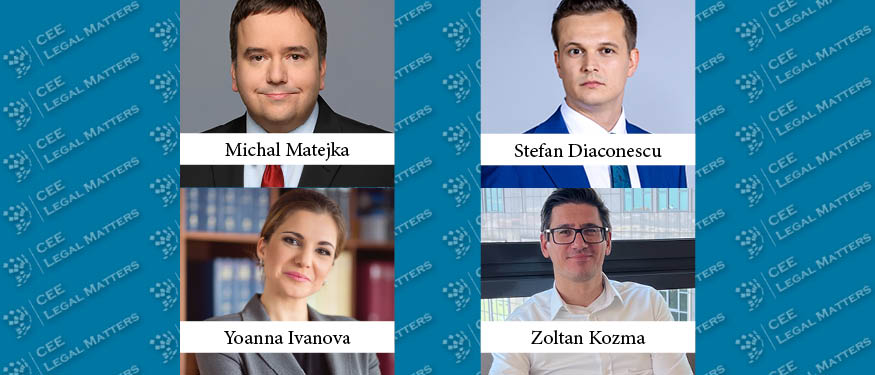
An increasing number of law firms have been publicly warning about the misuse of their names in phishing and cyberattacks. PRK Partners Partner Michal Matejka, Musat & Asociatii Partner Stefan Diaconescu, Gugushev & Partners Partner and Head of Data Protection Yoanna Ivanova, and DLA Piper Hungary Partner and Head of Intellectual Property and Technology Zoltan Kozma discuss the growing trend.
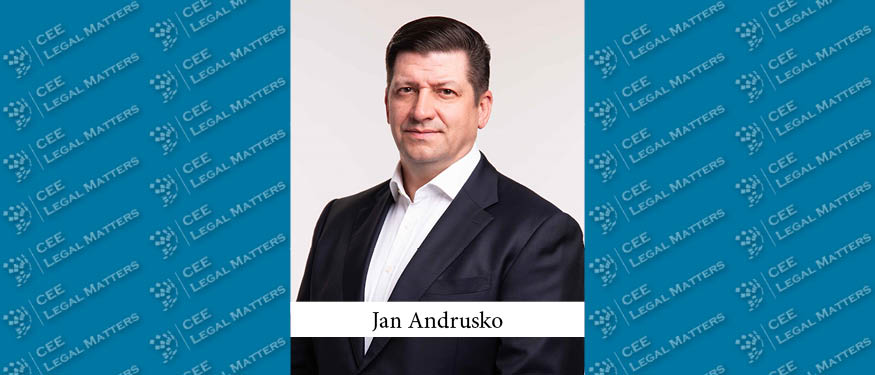
In our Looking In series, we talk to Partners from outside CEE who are keeping an eye on the region (and often pop up in our deal ticker) to learn how they perceive CEE markets and their evolution. For this issue, we sat down with Perkins Coie London-based Partner Jan Andrusko.
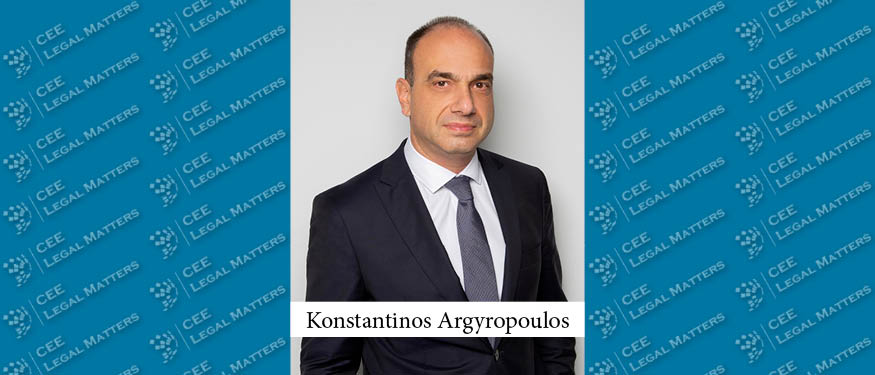
As AI increasingly intersects with nearly every dimension of digital security, so too does the consciousness of creating conditions to use it in a secure cyberspace. As Space Hellas Group General Counsel Konstantinos Argyropoulos puts it, “there is an acceleration in the way AI interfaces with cybersecurity,” pointing to an emerging arms race in which malicious actors and defenders alike adopt increasingly automated tactics. Argyropoulos shared his thoughts on this during the CEE Legal Matters GC Summit 2025 in Prague.
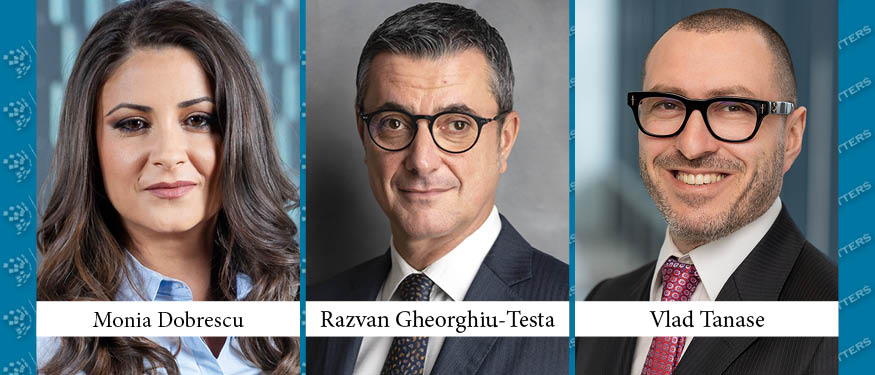
Over the past few years, Romania’s property market has matured from a fragmented landscape into one defined by stability, sustainability, and strategic sectoral shifts. Musat & Asociatii Partner Monia Dobrescu, Tuca Zbarcea & Asociatii Partner Razvan Gheorghiu-Testa, and Nestor Nestor Diculescu Kingston Petersen Partner Vlad Tanase take a closer look at how secondary cities are outpacing the capital in price growth and major players are doubling down on assets.

Romania’s legal media has been remarkably vibrant, outpacing its regional peers in both volume and influence. Juridice.ro Executive Director Daria Niculcea, who has witnessed its evolution firsthand, Act Legal Marketing Manager Ana Maria Manea (Pandelea), with the experience of the firm’s regional marketing strategy across 18 markets, and Pro/Lawyer CEO Mate Bende who provides PR consultancy examine how different factors shaped this unique ecosystem.
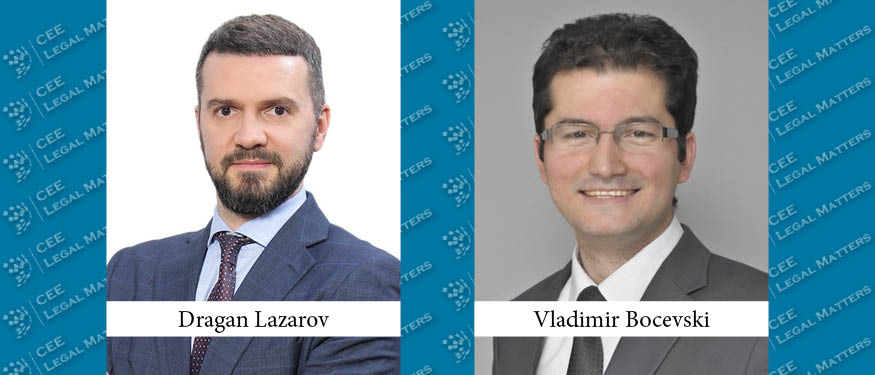
Foreign direct investment in North Macedonia has surged in recent years, with 2024 marking a particularly strong period for inflows, despite global uncertainties such as supply-chain disruptions and regional economic slowdowns, according to Law Office Lazarov Managing Partner Dragan Lazarov and Cakmakova Advocates Junior Partner Vladimir Bocevski.
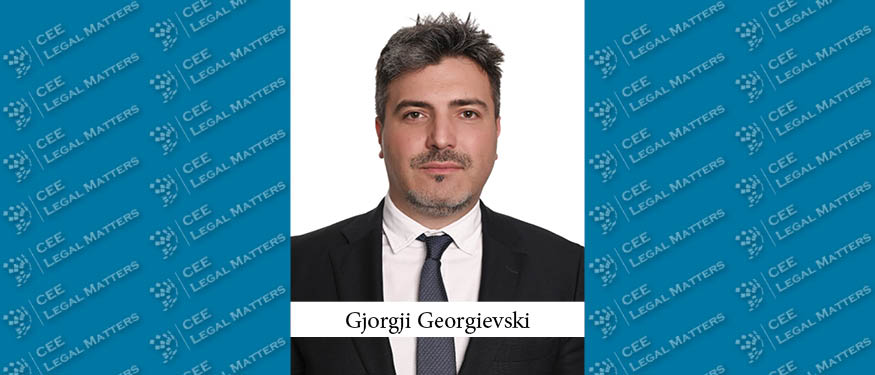
Driven largely by fresh blood in its leadership, North Macedonia’s Commission for the Protection of Competition (CPC) has been noticeably more active in the past month, according to ODI Law Partner Gjorgji Georgievski. The stage has been set for rigorous enforcement and heightened consumer protection, redefining how market players navigate compliance in the country.
An increasing number of firms are eager to showcase their “innovative” use of technology. However, for the most part, this only adds to the noise rather than increasing the firms’ credibility.
Marketing isn’t an afterthought. It’s a strategic function. And yet, many law firms still sideline the very people they’ve brought in to help them grow.
Throughout this series, we’ve covered common mistakes law firms make in their digital presence. However, we now would like to acknowledge what’s working.
A great law firm website removes guesswork and gets fundamentals right. This checklist covers the essentials every firm needs to turn its website into a trust-building digital asset.

From a kitchen-table startup in the wake of Romania’s 1990 revolution to one of the nation’s first full-service firms, Nestor Nestor Diculescu Kingston Petersen marks its 35th anniversary this year. Founding Partner Ion Nestor together with newly-appointed Executive Partners Adina Chilim-Dumitriu and Emil Bivolaru talk about the firm's growth from two lawyers to more than 120.
Your law firm’s website shouldn’t be a drawn-out, expensive headache. Focus on creating a professional, clean site that clearly shows what makes your firm stand out.